
"post-frost pruning"
2380 article(s) found
Yega Xuefei Sun Banki Maggie Coffee cooked beans Ethiopia G3
There are eight main producing areas of Ethiopian coffee: Ekempti, Limu, Illubabor, Djimma, Harrar, Teppi/Bebeka, Sidamo, Yirgacheffe. Ethiopian coffee is highly rated in Taiwan, especially Chinese people are particularly interested in the three famous producing areas of Ethiopia, namely Harrar, Sidamo and Yirgacheffe.

Flavor description of Honduran Coffee beans introduction of Grinding scale varieties by Taste treatment
Flavor description of Honduran coffee beans taste treatment grinding scale variety introduction washing treatment of Honduran coffee, it is not only BIO organic certified coffee, but also an organic trade coffee, the proceeds from the sale of raw coffee beans will directly benefit the country of origin manor, used for sanitation, education, drinking water and other projects. Every time you buy a bag of Fairtrade coffee, it's for coffee.
General knowledge of boutique coffee trees about coffee flowers and fruits
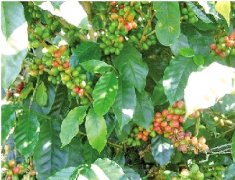
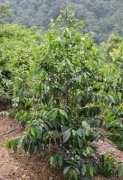
The coffee tree is an evergreen tree with small white flowers and green fruit that does not turn red until it is ripe. A normal coffee tree can usually grow to a height of 5 to 10 meters, but bean farmers often prune it to less than 2 meters for harvest convenience. After flowering, there are many dark green oval fruits, and the mature fruits change from dark green to bright red, due to the color and cherry.

Introduction to the characteristics of taste and quality of Honduran coffee beans by flavor description treatment
Honduras coffee beans are located in the north of Central America, the Caribbean Sea to the north, the Gulf of Fonseca in the Pacific to the south, Nicaragua and El Salvador to the east and south, and Guatemala to the west. mostly mountains and plateaus. It has a tropical climate, mild temperature and abundant rainfall, so it is an ideal place for coffee growth. Flood
The planting process of coffee trees, coffee flowers, coffee fruits and coffee beans
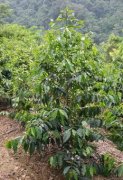
The coffee tree is an evergreen tree with small white flowers and green fruit that does not turn red until it is ripe. A normal coffee tree can usually grow to a height of 5 to 10 meters, but bean farmers often prune it to less than 2 meters for harvest convenience. After flowering, there are many dark green oval fruits, and the mature fruits change from dark green to bright red, due to the color and cherry.

Yega Xuefei Sun Banki Maggie Coffee cooked beans Ethiopia G3 BenchMaji
There are eight main producing areas of Ethiopian coffee: Ekempti, Limu, Illubabor, Djimma, Harrar, Teppi/Bebeka, Sidamo, Yirgacheffe. Ethiopian coffee is highly rated in Taiwan, especially Chinese people are particularly interested in the three famous producing areas of Ethiopia, namely Harrar, Sidamo and Yirgacheffe.

Characteristics of African coffee beans acting as agents of African coffee beans
There are eight main producing areas of Ethiopian coffee: Ekempti, Limu, Illubabor, Djimma, Harrar, Teppi/Bebeka, Sidamo, Yirgacheffe. Ethiopian coffee is highly rated in Taiwan, especially Chinese people are particularly interested in the three famous producing areas of Ethiopia, namely Harrar, Sidamo and Yirgacheffe.

Basic knowledge of boutique coffee about coffee trees, coffee flowers, coffee fruits
The coffee tree is an evergreen tree with small white flowers and green fruit that does not turn red until it is ripe. A normal coffee tree can usually grow to a height of 5 to 10 meters, but bean farmers often prune it to less than 2 meters for harvest convenience. After flowering, there are many dark green oval fruits, and the mature fruits change from dark green to bright red, due to the color and cherry.

Introduction to the varieties of Coffee beans produced by Grinding scale and Regional treatment method in San Juan, Honduras
Grinding scale production of San Juan Coffee beans in Honduras varieties introduced that the granules of coffee beans in Honduras are large in shape, uniform in size and uniform in color. In order to harvest conveniently, the farmers will prune the coffee trees to no more than 150 centimeters, because if they grow too high, they must set up ladders to pick, which is not only time-consuming, but also may hurt the trees by bending branches.

Introduction of Honduran coffee which tastes neither astringent nor sour, mellow and fragrant.
Hongduras coffee bean particles are large in shape, uniform in size, uniform in color and glossy. In order to facilitate harvesting, farmers will prune the coffee trees to no more than 150 centimeters, because if they grow too high, they have to set up ladders to pick, which is not only time-consuming, but also may damage the trees by bending branches. As the ripening period of each fruit of the coffee bean is different, it is necessary to keep the coffee bean good.

Flavor and taste characteristics of Honduran coffee
Flavor and taste characteristics: good flavor, rich and mellow, suitable for mixed drinking. Honduran coffee bean Honduras, the most obvious feeling is relatively soft and thick, occasionally feeling a little sweet; low acidity, in Central American coffee producing areas, Honduran coffee is famous for its black berry flavor and caramel sweet, medium mellow thickness, and even black pepper and black pepper in some batches of coffee.

Introduction to the flavor of Honduran coffee with rich and mellow taste
The granules of coffee beans in Honduras are large in shape, uniform in size and glossy in color. In order to facilitate harvesting, farmers will prune the coffee trees to no more than 150 centimeters, because if they grow too high, they have to set up ladders to pick, which is not only time-consuming, but also may damage the trees by bending branches. As the ripening period of each fruit of the coffee bean is different, it is necessary to keep the coffee bean in good condition.

Jackfruit, spice and wine G3 grade G1 in the primeval forest of Banchi Magi, Ethiopia
Boutique coffee (specialty coffee) is also called specialty coffee selection coffee. It refers to coffee made from a small number of raw beans with excellent taste grown in an ideal geographical environment. Depending on the special soil and climatic conditions in which they grow, they have outstanding flavor. After strict selection and classification, this kind of coffee is hard in texture, rich in taste and stylish.

Introduction to Goddess Manor in Arabica Coffee Manor, Costa Rica
All the coffee trees planted in Costa Rica are Arabica coffee trees. through improvement, the quality of coffee beans is better and more stable. in order to facilitate picking, coffee trees are kept at a height of about 2 meters through continuous pruning. The coffee that people eat is the taste of the seeds in the fruit that are brewed in water. After picking raw coffee beans, the peel, pulp, seed film and sun exposure must be removed.

Introduction to the Regional treatment method of Coffee Bean Grinding scale in Saint Roman Manor, Costa Rica
All the coffee trees planted in Costa Rica are Arabica coffee trees. through improvement, the quality of coffee beans is better and more stable. in order to facilitate picking, coffee trees are kept at a height of about 2 meters through continuous pruning. The coffee that people eat is the taste of the seeds in the fruit that are brewed in water. After picking raw coffee beans, the peel, pulp, seed film and sun exposure must be removed.

Description of characteristics and Flavor of Coffee beans in Honduras Sweet Orange Manor Grinding scale treatment
Description of the characteristics and flavor of coffee beans in Honduras Sweet Orange Manor Coffee beans in Honduras are large in shape, uniform in size, uniform in color and glossy. In order to facilitate harvesting, farmers will prune the coffee trees to no more than 150 centimeters, because if they grow too high, they have to set up ladders to pick, which is not only time-consuming, but also may damage the trees by bending branches.

Introduction of grinding characteristics and quality of Honduran coffee beans by flavor and taste treatment
The granules of coffee beans in Honduras are large in shape, uniform in size and glossy in color. In order to facilitate harvesting, farmers will prune the coffee trees to no more than 150 centimeters, because if they grow too high, they have to set up ladders to pick, which is not only time-consuming, but also may damage the trees by bending branches. As the ripening period of each fruit of the coffee bean is different, it is necessary to keep the coffee bean in good condition.

The shape of Honduran coffee beans introduces the flavor of highland coffee.
The granules of coffee beans in Honduras are large in shape, uniform in size and glossy in color. In order to facilitate harvesting, farmers will prune the coffee trees to no more than 150 centimeters, because if they grow too high, they have to set up ladders to pick, which is not only time-consuming, but also may damage the trees by bending branches. As the ripening period of each fruit of the coffee bean is different, it is necessary to keep the coffee bean in good condition.

The taste and flavor of Honduran coffee beans what is the annual output of native coffee beans
What is the annual output of Honduran coffee beans? the granules of Honduran coffee beans are large in shape, uniform in size and uniform in color. In order to facilitate harvesting, farmers will prune the coffee trees to no more than 150 centimeters, because if they grow too high, they have to set up ladders to pick, which is not only time-consuming, but also may damage the trees by bending branches. Because of the coffee

Flavor description of Honduran coffee beans introduction to the regional treatment of manor varieties
The flavor description of Honduran coffee beans the method of regional treatment of manor varieties introduces that the granules of Honduran coffee beans are large in shape, uniform in size, uniform in color and shiny. In order to facilitate harvesting, farmers will prune the coffee trees to no more than 150 centimeters, because if they grow too high, they must set up ladders to pick, which is not only time-consuming, but also may damage the trees by bending branches.